K-12 Education Reform: DOE’s 3 Key Policy Changes for 2025

AD
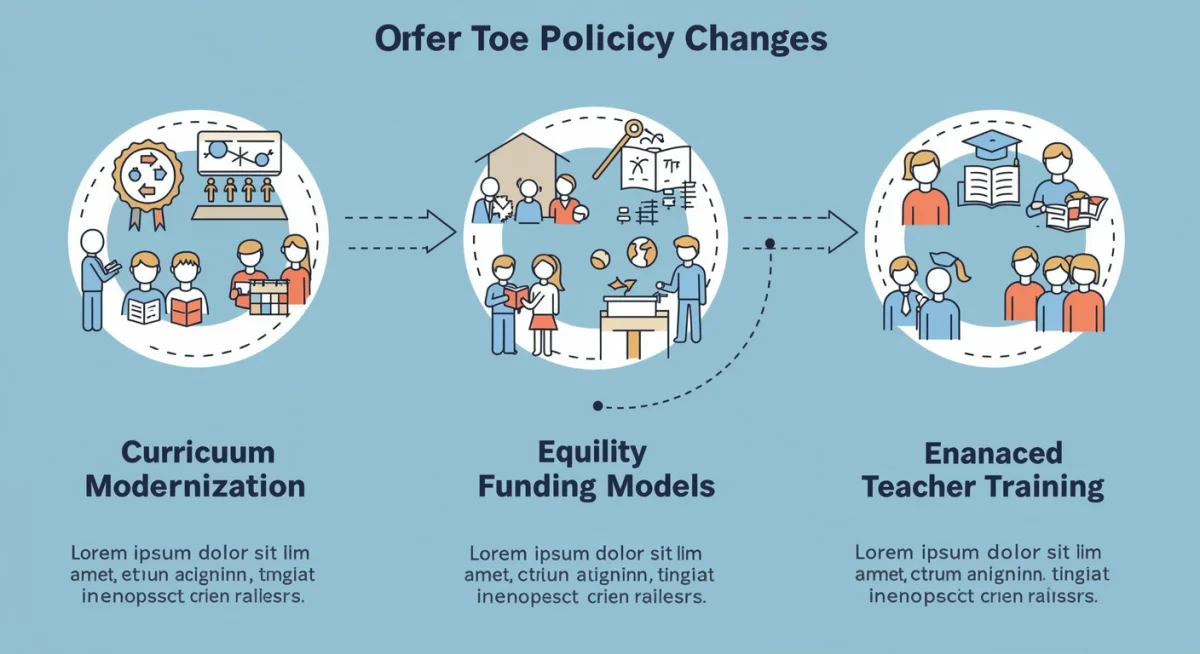
The Department of Education has announced three significant policy shifts for K-12 schools, effective Fall 2025, focusing on curriculum modernization, equitable resource allocation, and advanced teacher professional development to enhance student outcomes nationally.
AD
The landscape of American education is constantly evolving, driven by the need to prepare students for an increasingly complex world. In a significant move set to redefine learning environments nationwide, the Department of Education has outlined three pivotal policy changes for K-12 schools, commencing in Fall 2025. These reforms represent a concerted effort to address long-standing challenges and foster a more equitable, effective, and future-ready educational system. Understanding these upcoming shifts is crucial for educators, parents, and students alike, as they promise to impact everything from classroom instruction to school funding.
Curriculum Modernization and Digital Literacy Integration
One of the most far-reaching policy changes announced by the Department of Education focuses on a comprehensive overhaul of K-12 curriculum, with a strong emphasis on integrating digital literacy and critical thinking skills across all subjects. This initiative recognizes that traditional teaching methods, while foundational, must adapt to the demands of the 21st century. The goal is to move beyond rote memorization, fostering environments where students can analyze information, solve complex problems, and effectively navigate the digital world.
AD
The push for curriculum modernization stems from a growing consensus among educational experts that current standards often fall short in preparing students for higher education and the modern workforce. By embedding digital literacy into subjects like history, science, and literature, students will gain practical skills in research, data analysis, and ethical online conduct. This approach aims to make learning more relevant and engaging, encouraging students to become active participants in their educational journey.
Expanding STEM and Arts Education
A key component of the new curriculum framework is the significant expansion of Science, Technology, Engineering, and Mathematics (STEM) offerings, alongside a renewed commitment to arts education. The Department believes that a well-rounded education includes both analytical and creative disciplines.
- Increased STEM opportunities: Schools will receive resources to develop more robust STEM programs, including access to advanced robotics, coding classes, and hands-on science experiments.
- Arts integration: Efforts will be made to integrate arts into core subjects, recognizing its role in fostering creativity, critical thinking, and emotional intelligence.
- Interdisciplinary projects: Encouragement for projects that combine elements of STEM and arts, promoting innovative problem-solving.
- Career pathways: Connecting curriculum content to potential career paths in these fields, inspiring future innovators and creators.
This dual focus on STEM and arts is designed to cultivate a generation of students who are not only technologically proficient but also creatively adept. It acknowledges that innovation often emerges from the intersection of diverse fields.
Developing Critical Thinking and Media Literacy
Beyond specific subject areas, the updated curriculum places a premium on developing students’ critical thinking and media literacy skills. In an age of abundant information, discerning credible sources and evaluating arguments is paramount.
New guidelines will encourage educators to incorporate activities that challenge students to:
- Analyze information from various perspectives.
- Identify biases and logical fallacies.
- Understand the impact of media on public discourse.
- Formulate well-reasoned arguments based on evidence.
These skills are essential for civic engagement and for navigating a world saturated with information. The curriculum aims to equip students with the tools to become informed and responsible citizens.
In conclusion, the curriculum modernization initiative represents a forward-thinking approach to K-12 education. By integrating digital literacy, expanding STEM and arts, and prioritizing critical thinking, the Department of Education seeks to create a more dynamic and relevant learning experience for all students, preparing them for the challenges and opportunities of the future.
Equitable Funding Models and Resource Allocation
The second major policy change addresses the persistent issue of educational inequity through the implementation of new equitable funding models and targeted resource allocation strategies. For decades, disparities in school funding have led to significant gaps in educational quality, often disadvantaging low-income communities and minority students. The Department of Education aims to rectify these imbalances, ensuring that all students, regardless of their zip code, have access to high-quality educational resources and opportunities.
This reform acknowledges that simply increasing overall funding is not enough; the distribution of funds must be strategic and equitable. The new models will consider various factors, including student demographics, socioeconomic status, and specific educational needs, to direct resources where they are most needed. The ultimate goal is to close achievement gaps and provide every student with the foundation for success.
Revising State and Local Funding Formulas
A core aspect of this policy is the revision of how state and local governments fund their public schools. Many existing formulas rely heavily on local property taxes, which inherently create disparities between affluent and less affluent districts. The new policy encourages states to adopt more progressive funding mechanisms.
- Weighted student funding: Allocating more funds for students with greater needs, such as those from low-income backgrounds, English language learners, or students with disabilities.
- State-level equalization grants: Providing additional state funds to districts with lower property tax bases to help them reach parity with wealthier districts.
- Transparency in spending: Requiring districts to clearly report how funds are spent, ensuring accountability and effective use of resources.
These revisions are designed to create a more level playing field, allowing all schools to offer competitive salaries, modern facilities, and diverse programs.
Targeted Investments in Under-Resourced Schools
In addition to systemic funding changes, the Department will implement programs for targeted investments in schools serving historically under-resourced communities. These investments will focus on critical areas that directly impact student learning and well-being.
Specific areas for targeted investment include:
- Infrastructure upgrades: Modernizing outdated school buildings, improving safety, and integrating technology infrastructure.
- Mental health services: Expanding access to counselors, psychologists, and social workers to support student mental health.
- Early childhood education: Investing in high-quality pre-kindergarten programs to give children a strong start.
- After-school and summer programs: Providing enriching opportunities outside of regular school hours to support academic and social development.
These targeted efforts are crucial for addressing the immediate needs of schools that have been historically neglected, providing them with the resources necessary to thrive. The Department’s focus on equitable funding models signifies a commitment to breaking cycles of educational disadvantage, ensuring that every student has the opportunity to succeed within the K-12 education reform framework.
Enhanced Teacher Professional Development and Support
The third cornerstone of the Department of Education’s K-12 education reform initiative for Fall 2025 is a substantial investment in enhanced teacher professional development and support systems. Recognizing that the quality of teaching is the single most important in-school factor affecting student achievement, this policy aims to empower educators with the skills, resources, and ongoing support they need to excel in their profession. The goal is to create a highly skilled, motivated, and resilient teaching workforce capable of implementing the new curriculum standards and addressing the diverse needs of students.
This reform moves beyond traditional, one-off training sessions, advocating for continuous, personalized, and evidence-based professional learning opportunities. It acknowledges that effective teaching requires ongoing growth and adaptation, especially in response to evolving pedagogical approaches and technological advancements. By investing in teachers, the Department seeks to elevate the entire educational system.
Continuous Learning and Skill Refinement
The new policy emphasizes continuous professional learning that is integrated into the school year, rather than isolated workshops. This approach allows teachers to immediately apply new strategies in their classrooms and receive ongoing feedback.
- Mentorship programs: Establishing robust mentorship programs for new teachers, pairing them with experienced educators for guidance and support.
- Peer collaboration: Creating structures for teachers to collaborate, share best practices, and collectively solve instructional challenges.
- Specialized training: Providing specialized training in areas such as digital pedagogy, differentiated instruction, and socio-emotional learning.
- Leadership pathways: Developing opportunities for teachers to take on leadership roles within their schools and districts, fostering a culture of professional growth.
These initiatives are designed to ensure that teachers remain at the forefront of educational innovation and are equipped to meet the demands of a dynamic learning environment.
Attracting and Retaining Diverse Talent
Another critical aspect of this policy is the development of strategies to attract and retain a diverse and highly qualified teaching workforce. Addressing teacher shortages and ensuring that the teaching profession reflects the diversity of the student population are key priorities.
The Department will support initiatives such as:
- Scholarships and loan forgiveness: Expanding programs to make teaching more financially accessible, particularly for individuals from underrepresented backgrounds.
- Competitive salaries and benefits: Advocating for increased compensation and improved benefits to make teaching a more attractive career choice.
- Positive school culture: Promoting supportive and respectful school environments that value teachers’ contributions and well-being.
- Reduced administrative burdens: Streamlining administrative tasks to allow teachers to focus more on instruction and student interaction.
By focusing on both professional development and the well-being of educators, this reform aims to cultivate a stable and inspiring teaching force that can effectively implement the broader K-12 education reform goals and positively impact student lives.
Addressing Student Well-being and Mental Health
While not one of the three primary policy changes, a critical concurrent focus alongside the curriculum, funding, and teacher development reforms is a heightened emphasis on student well-being and mental health. The Department of Education recognizes that academic success is inextricably linked to the physical and emotional health of students. The challenges of recent years have underscored the urgent need for comprehensive support systems within K-12 schools, moving beyond purely academic metrics to foster holistic development.
This complementary initiative ensures that as educational content and delivery evolve, so too does the infrastructure for student care. It’s about creating a safe, inclusive, and supportive school climate where every student feels valued and has access to the resources they need to thrive. This integrated approach acknowledges that a healthy mind and body are prerequisites for effective learning.
Expanding Access to Mental Health Professionals
A key component of this focus is significantly increasing the number of mental health professionals available in schools. Many districts currently operate with insufficient numbers of counselors, psychologists, and social workers.
- Increased funding: Providing grants and incentives for schools to hire more licensed mental health practitioners.
- Telehealth options: Exploring and expanding telehealth services for mental health support, especially in rural or underserved areas.
- Training for staff: Equipping all school staff, not just mental health professionals, with basic training in mental health first aid and recognizing signs of distress.
- Partnerships with community organizations: Fostering collaborations with local mental health agencies to provide comprehensive support networks.
These measures aim to create more immediate and accessible support for students struggling with mental health challenges, reducing stigma and promoting early intervention.
Promoting Social-Emotional Learning (SEL)
The integration of Social-Emotional Learning (SEL) into the daily curriculum is also a vital aspect of this well-being initiative. SEL helps students develop self-awareness, self-management, social awareness, relationship skills, and responsible decision-making.
Schools will be encouraged to:
- Incorporate SEL activities and lessons into classroom routines.
- Create a positive school culture that fosters empathy and respect.
- Provide professional development for teachers on effective SEL strategies.
- Use restorative justice practices to address conflict and build community.
By nurturing students’ emotional intelligence alongside their academic abilities, schools can better prepare them for life beyond the classroom, fostering resilience and positive relationships. This holistic view of student development is crucial for the success of the broader K-12 education reform.
Community Engagement and Parental Involvement
Effective educational reform extends beyond the classroom walls and into the broader community. The Department of Education’s new policies also underscore the vital role of community engagement and parental involvement in ensuring the success of K-12 schools starting Fall 2025. Recognizing that schools thrive when supported by their local ecosystems, this aspect of the reform aims to build stronger bridges between educational institutions, families, and community stakeholders. It’s about creating a shared responsibility for student success and leveraging collective resources to enhance learning environments.
Historically, parental involvement has been linked to improved student outcomes, but participation levels can vary significantly. The new initiatives seek to dismantle barriers to engagement and create more inclusive pathways for families and community members to contribute meaningfully to their local schools. This collaborative approach is essential for sustaining the positive impacts of curriculum, funding, and teacher development reforms.
Strengthening Home-School Partnerships
A primary objective is to enhance the partnership between homes and schools, ensuring that parents feel welcomed, informed, and empowered to participate in their children’s education. This goes beyond traditional parent-teacher conferences.
- Accessible communication channels: Implementing platforms and strategies that facilitate clear, consistent, and multilingual communication between schools and families.
- Parent education workshops: Offering workshops on topics such as navigating the new curriculum, supporting digital literacy at home, and understanding school resources.
- Family resource centers: Establishing centers within schools or communities that provide support, information, and connection points for families.
- Volunteer opportunities: Creating diverse and flexible volunteer roles that cater to different schedules and skill sets.
By fostering strong home-school connections, parents can become active partners in their children’s learning journey, reinforcing educational values and practices at home.
Leveraging Community Resources
Schools are integral parts of their communities, and the new policies encourage them to actively leverage local resources, organizations, and businesses to enrich educational experiences. This collaborative model can provide students with real-world learning opportunities and additional support.
Initiatives include:
- Mentorship programs: Connecting students with community professionals for career guidance and inspiration.
- After-school partnerships: Collaborating with local youth organizations to offer extended learning and enrichment activities.
- Local business collaborations: Creating opportunities for internships, job shadowing, and skill-building workshops.
- Community service projects: Engaging students in projects that benefit their local area, fostering civic responsibility and practical skills.
By embedding schools more deeply within their communities, the K-12 education reform can tap into a wealth of knowledge and support, creating a more dynamic and responsive educational ecosystem for all students.
Implementation Challenges and Future Outlook
While the Department of Education’s outlined policy changes for K-12 schools starting Fall 2025 hold immense promise for transforming American education, their successful implementation will undoubtedly face various challenges. Large-scale reforms often encounter hurdles ranging from funding allocation complexities to resistance to change at local levels. Understanding these potential obstacles is crucial for developing robust strategies that ensure these ambitious goals translate into tangible improvements in classrooms nationwide. The future outlook hinges on careful planning, continuous adaptation, and strong collaborative efforts across all educational stakeholders.
Effective implementation requires more than just policy pronouncements; it demands sustained commitment, flexible approaches, and a willingness to learn and adjust along the way. The success of this K-12 education reform will ultimately be measured by its impact on student achievement, equity, and the overall health of the educational system. Addressing challenges proactively will be key to unlocking the full potential of these transformative policies.
Navigating Funding and Resource Constraints
Despite the new equitable funding models, financial constraints remain a significant challenge, particularly for districts already struggling with limited resources. Ensuring that funds reach the intended recipients and are used effectively will require rigorous oversight.
- Economic fluctuations: Adapting to potential shifts in state and federal budgets that could impact funding levels.
- Local resistance to tax changes: Overcoming opposition to new funding mechanisms at the local government level.
- Infrastructure costs: The substantial investment required for technology upgrades and facility modernization in many schools.
- Staffing shortages: Finding qualified teachers and mental health professionals to fill newly funded positions.
Addressing these financial and resource-related challenges will require innovative solutions and strong advocacy at both state and federal levels.
Ensuring Equitable Access and Adoption
Another major challenge lies in ensuring that the benefits of these reforms are equitably distributed and adopted across all schools, especially those in rural or historically underserved areas. Bridging the digital divide and providing adequate support for diverse student populations will be paramount.
Key considerations for equitable access include:
- Digital equity: Providing reliable internet access and devices for all students, particularly those in remote locations.
- Cultural responsiveness: Adapting curriculum and teaching practices to be culturally relevant and inclusive for diverse student bodies.
- Teacher training disparities: Ensuring that all teachers, regardless of their school’s location or resources, receive high-quality professional development.
- Community buy-in: Gaining the trust and active participation of all community segments, including those traditionally marginalized.
Overcoming these implementation challenges will require a sustained, collaborative effort, but the potential rewards for K-12 education reform — a more equitable, engaging, and effective learning experience for all American students — are well worth the investment.
| Key Policy Area | Brief Description |
|---|---|
| Curriculum Modernization | Integrates digital literacy, critical thinking, expanded STEM/Arts in K-12. |
| Equitable Funding Models | Revises funding to ensure fair resource allocation for all schools. |
| Teacher Development | Enhances professional learning and support to empower educators. |
| Student Well-being Focus | Expands mental health support and social-emotional learning in schools. |
Frequently Asked Questions About K-12 Education Reform
The Department of Education’s three key policy changes for K-12 schools are scheduled to commence in Fall 2025. This timeline allows schools and districts sufficient time to prepare for the curriculum adjustments, new funding models, and enhanced professional development programs outlined in the reforms.
Curriculum modernization aims to integrate digital literacy, critical thinking, and expanded STEM/Arts education across all subjects. Students will benefit from more relevant and engaging learning experiences, better preparing them for future academic and career challenges in an increasingly digital world.
The new equitable funding models seek to address long-standing disparities in educational resources. By revising state and local funding formulas and targeting investments, the goal is to ensure all schools, especially those in underserved areas, receive adequate resources to provide high-quality education and close achievement gaps.
Teachers will receive enhanced professional development, including continuous learning opportunities, mentorship programs, and specialized training in areas like digital pedagogy. The reforms also focus on attracting and retaining diverse talent through better compensation and supportive school cultures, empowering educators to excel.
Yes, alongside the three core policies, there’s a strong emphasis on student well-being and mental health. This includes expanding access to mental health professionals in schools and integrating social-emotional learning (SEL) into the curriculum, fostering a holistic and supportive environment for all students.
Conclusion
The Department of Education’s announcement of three key policy changes for K-12 schools starting Fall 2025 marks a pivotal moment in American education. These reforms, encompassing curriculum modernization, equitable funding models, and enhanced teacher professional development, are designed to create a more resilient, inclusive, and future-ready educational system. While the path to implementation will undoubtedly present challenges, the overarching commitment to fostering critical thinking, ensuring equitable access, and empowering educators points towards a brighter future for students nationwide. The success of this K-12 education reform will depend on the collaborative efforts of policymakers, educators, parents, and communities, all working in concert to unlock the full potential of every learner.
